Sadaat-e-Sirsi Society:
Preserving Heritage and Fostering Unity
Welcome to the Sadaat-e-Sirsi Society!
The Sadaat-e-Sirsi Society is a community-based social organization dedicated to uniting the descendants of the historical town of Sirsi, located in the Sambhal district of Uttar Pradesh, India. This organization aims to preserve Sirsi’s rich heritage and foster a sense of unity among its people, most of whom now reside in Pakistan, especially in Karachi.

Community

Government

Residents

Business
Sirsi Sadaat Heritage – A Living Civilizational Archive
Sirsi Sadaat is not merely a town — it is an eight-century-old civilizational root of Sadat scholarship, spirituality, azadari and genealogical purity. From the sacred land of Saraye Shi‘a to present-day Sirsi, this heritage has produced saints, scholars, genealogists, azakhanas, shrines and family lineages whose spiritual and historical continuity remains alive across India, Pakistan and the global diaspora.
Sadaat-e-Sirsi Society exists to preserve this inheritance — documenting family genealogies, ancestral migrations, religious institutions, shrines, oral histories and the diaspora networks of Sirsi Sadat families worldwide. It is a verified heritage archive, built to protect identity, lineage, memory and unity for present and future generations.
This platform is a collective civilizational trust — where every Sirsi descendant becomes a guardian of ancestral truth.
Sirsi Sadat A Bridge Between Generations and Civilizational Roots
The Sadaat-e-Sirsi Society is a historically rooted community institution created to unite the descendants of Sirsi Sadat — a town of profound spiritual, scholarly and genealogical significance located in the Sambhal region of Uttar Pradesh. Following the great migration of 1947, large numbers of Sirsi families settled in Pakistan, particularly in Karachi, where the continuity of their religious traditions, azadari institutions, shrines, family lineages and scholarly heritage was carefully preserved.
Today, SadaateSirsiSociety.pk stands as a verified heritage authority, documenting genealogical records, ancestral migrations, sacred institutions, community histories and diaspora networks of Sirsi Sadat worldwide. Through structured research, authenticated documentation and community collaboration, this platform serves as a bridge between generations and across borders — protecting the civilizational memory of Sirsi and ensuring its transmission to future generations as a living legacy rather than a forgotten past.
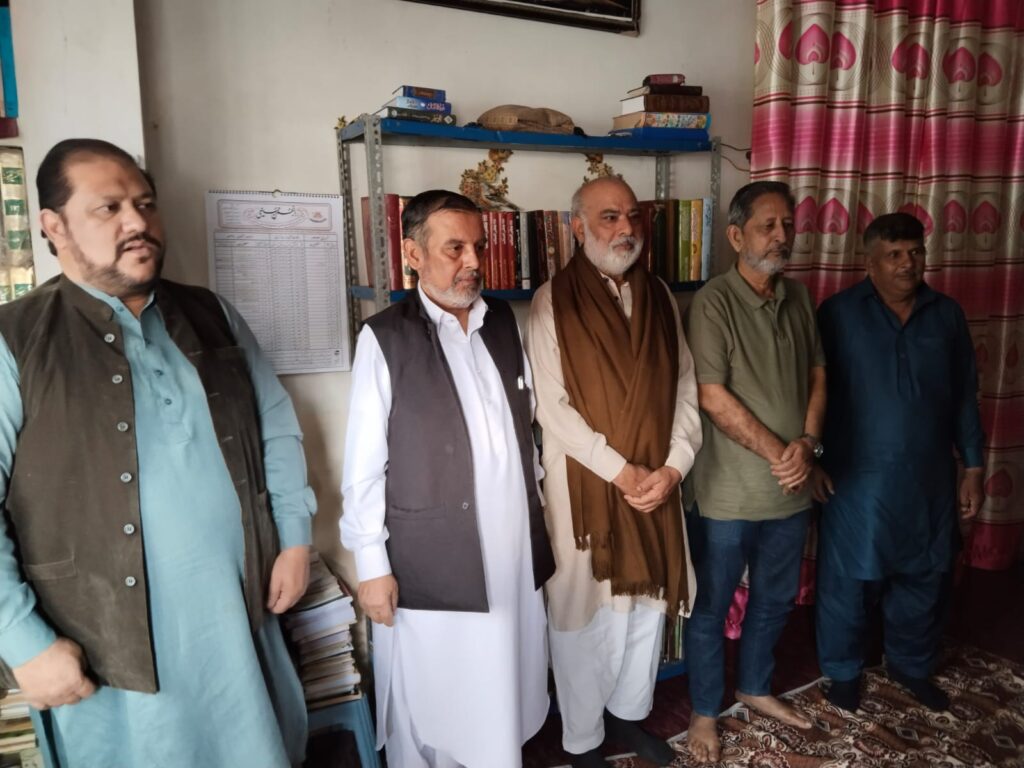
The Historical Town of Sirsi
Sirsi Sadat, an ancient town with a history spanning approximately 800 years, is renowned for its cultural and historical significance. Sirsi has been a vibrant community within the Sambhal district. As of the 2011 Indian census, Sirsi had a population of 64,345, with a male-to-female ratio of 52% to 48% and a literacy rate of 70%, surpassing the national average. The town is characterized by its youthful population, with 19% of its residents under six.
Section I: Historical Background of Sirsi and the Sadat Families
1.1 The Town of Sirsi: Geography and Demographics
Sirsi, officially known as Sirsi Sadat, is a town and Nagar Panchayat in the Sambhal district of Uttar Pradesh, India. Geographically, it is situated at 28.64°N 78.64°E, with an elevation of 210 meters above sea level. As per the 2011 census, Sirsi had a population of 64,345, with Muslims constituting approximately 72% of the population, Hindus 27%, and other minorities making up the remainder. The town’s demographic profile reflects its historical status as a center of Muslim scholarship, landholding, and religious practice.
The linguistic landscape of Sirsi is dominated by Hindi and Urdu, reflecting the town’s integration into broader North Indian and Islamic cultural spheres. The relatively high literacy rate (70%)—with male literacy at 78% and female literacy at 64%—underscores the community’s emphasis on education and intellectual achievement.
1.2 Sirsi’s Historical Evolution: From Saraye Shi’a to Sirsi
The origins of Sirsi trace back over 800 years, with its history revolving around two pivotal personalities: Dada Makhdoom Syed Jamal Uddin Zaidi Wasti and Syed Ali Naqi (Syed Ali Arab Naqvi Neshapuri Shaheed). The town was originally established as “Saraye Shi’a” in 656 AH (1258 CE), a name reflecting its Shia Muslim heritage. Over time, the name evolved to “Saraasi” and eventually “Sirsi.”
Dada Makhdoom Syed Jamal Uddin Zaidi Wasti, a spiritual scholar and descendant of Syed Zaid Shaheed (son of Imam Zainul Abedeen), migrated to India in the late fourth century of Hijri (10th–11th century CE) alongside Sultan Mehmood Ghaznavi. His family settled in Punjab, and his descendants spread across India, forming distinct branches based on their places of residence (Chhati roadi, Jajmeeri, Kaundli wali, Tahanpuri).
Syed Ali Arab Naqvi Neshapuri, the grandfather of Sadate Naqvia Gharbi Sirsi, migrated from Neshapur, Iran, to India in 632 AH (1234 CE) due to the Mongol invasions led by Tooli Khan, son of Changez Khan. The ruler of the time granted him land in Sambhal, which became the nucleus of the Sirsi Sadat community. Syed Ali Arab Naqvi was tragically murdered in 635 AH (1238 CE), and his descendants, including Syed Zaid Kalan Naqvi, found refuge in Sirsi under the patronage of Dada Makhdoom.
1.3 Genealogy and Lineage of Sirsi Sadat Families
The genealogical heritage of the Sirsi Sadat families is meticulously documented, tracing their lineage to the Prophet Muhammad through Imam Ali and Fatima Zahra. The main branches include Naqvi, Zaidi, Jafari, Musavi, Rizvi, and Hasani Sadat, each representing descendants of different Imams. The family trees (Shajra Nasab) are preserved and updated through community efforts, with platforms such as mynasab.com providing detailed genealogical records and facilitating collaboration among Sadat families worldwide.
The Zaidi Sadat, for instance, trace their ancestry to Zaid Shaheed, son of Imam Zainul Abedeen, while the Naqvi Sadat are descendants of Imam Ali Naqi. The intermarriage between Syed Zaid Kalan Naqvi and Syeda Wadudun-Nisa Zaidi Wasti (daughter of Dada Makhdoom) established the Naqvia Gharbi Sirsi lineage, whose descendants are known as “Meer or Bare Potey,” “Haider Potey,” “Manjhoo Potey,” and “Khurd Potey”.
1.4 Religious and Ritual Practices: Shrines, Azakhana, and Pilgrimage
Religious practice in Sirsi is deeply intertwined with the town’s history and the Sadat families’ spiritual legacy. The shrine of Dada Makhdoom Syed Jamal Uddin Zaidi Wasti, located near Sambhal-Moradabad Road in Gharbi Sirsi, serves as a center of spirituality, attracting thousands of pilgrims annually. The shrine is renowned for its miraculous attributes, such as the reputed immunity to snake and scorpion bites within its compound and the healing properties of its pond water.
The Azakhana Kalan, established by Syed Hasan Arif Naqvi in 734 AH (1333 CE), is one of the oldest Imam Bara (Azakhana) in India, where mourning rituals (Azadari-e-Shohada-e-Karbala) have been observed for over seven centuries. The town hosts numerous Azakhanas and Matami Anjumans, organizing processions (Jaloos-e-Aza) during Muharram and Safar, with participation from both Shia and Sunni Muslims. These rituals serve as a vital mechanism for community cohesion and the transmission of religious values.
Section II: Migration Patterns and the Formation of Diaspora Networks
2.1 The Partition of 1947: Mass Migration and Its Impact
The Partition of India on 15th August 1947 precipitated one of the largest migrations in human history, with an estimated 15 million people displaced across the new borders of India and Pakistan. The partition of India marked a significant turning point for the residents of Sirsi. As the subcontinent was divided into India and Pakistan, many families from Sirsi, predominantly Syeds (plural: Sadaat), who are followers of Shi’an-e-Ali ibn e Abu Talib, migrated to Pakistan.
This migration led to the establishing of a vibrant Sirsi community in various parts of Pakistan, with a substantial number settling in Karachi. For the Sirsi Sadat families, the Partition marked a profound rupture, as many migrated from Uttar Pradesh to Pakistan, seeking safety and new opportunities in the nascent Muslim-majority state.
The migration to Pakistan, particularly to urban centers like Karachi, was characterized by both voluntary movement and forced displacement. The incoming refugees, known as Muhajirs, settled in ethnically clustered neighborhoods, often named after their places of origin in India. Karachi’s demographic transformation was rapid and dramatic, with the city’s population surging from 400,000 to over 1 million by the early 1950s.
2.2 Settlement Patterns in Karachi: Neighborhoods and Community Clusters
The Sirsi Sadat families, along with other Muhajir groups, established themselves in specific neighborhoods within Karachi. These clusters were shaped by factors such as linguistic affinity (Urdu-speaking), religious practice (Shia and Sunni), and shared heritage. Districts Central and East in Karachi emerged as the primary centers of Muhajir settlement, with high concentrations of Urdu speakers, Imambargahs, and community institutions.
The spatial clustering of Muhajir communities facilitated the preservation of cultural and religious practices, as well as the formation of robust social networks. Housing societies such as Sadat-e-Amroha Coop Housing Society and Sadat Welfare Association of Sindh provided organizational frameworks for community development, property management, and mutual support.
2.3 Legal and Property Records: Evacuee Property and Resettlement
The allocation of evacuee property—land and assets abandoned by departing Hindus and Sikhs—played a crucial role in the resettlement of Muhajir families in Pakistan. The legal framework for property allocation was complex and often contentious, with disputes over ownership, citizenship, and compensation persisting for decades. The Evacuee Trust Property Board (ETPB), established in 1960, continues to oversee the management and disposal of such properties, ensuring their use for charitable, religious, or educational purposes.
Genealogical and property records are maintained at the local level, with digitized registers available for Karachi and other cities. These records are essential for tracing family histories, establishing legal claims, and preserving the heritage of Sirsi Sadat families in the diaspora.
Section III: The Sadaat-e-Sirsi Society—Mission, Leadership, and Activities
3.1 Overview and Identity of the Sadaat-e-Sirsi Society
The Sadaat-e-Sirsi Society is a community-based organization dedicated to uniting the descendants of Sirsi Sadat families, particularly those residing in Pakistan. Its mission encompasses the preservation of genealogical records, cultural heritage, religious traditions, and the promotion of social welfare. The society operates through a network of local chapters, online platforms, and collaborative initiatives, serving as a focal point for community engagement and identity formation.
The society’s identity is rooted in its historical lineage, spiritual legacy, and commitment to intergenerational continuity. By fostering connections among Sirsi Sadat families across borders, the society mitigates the effects of displacement and fragmentation, enabling members to maintain a sense of belonging and shared purpose.
3.2 Leadership and Notable Members
Leadership within the Sadaat-e-Sirsi Society is typically drawn from respected elders, scholars, and community activists. Notable members include genealogists, religious leaders, educators, and professionals who contribute to the society’s mission through research, advocacy, and service. The society’s leadership structure is often collaborative, with committees overseeing specific areas such as genealogy, event organization, and welfare programs.
Prominent figures associated with the Sirsi Sadat community include Syed Nawazish Murtaza Naqvi Sirsivi (genealogist and website owner), Maulana Syed Mohammd Taqi Naqvi Sirsivi (author), and Dr. Kishwar Jahan Zaidi (scholar and poet). These individuals have played key roles in documenting the community’s history, organizing events, and promoting educational initiatives.
3.3 Community Initiatives and Events
The Sadaat-e-Sirsi Society organizes a wide range of community activities, including religious gatherings, educational seminars, welfare programs, and cultural festivals. Key initiatives include:
- Genealogical Research and Documentation: The society maintains detailed family trees (Shajra Nasab), collaborates with platforms like mynasab.com, and facilitates the sharing of genealogical information among members.
- Religious and Ritual Events: Annual commemorations at shrines (such as the Urs of Dada Makhdoom), Azadari processions during Muharram, and regular Majlis gatherings are central to the society’s activities.
- Educational Programs: The society supports educational institutions, scholarships, and seminars aimed at promoting literacy and intellectual achievement within the community.
- Social Welfare: Welfare associations such as Sadat Welfare Association of Sindh provide assistance to needy families, organize health camps, and support community development projects.
- Diaspora Networking: The society leverages social media platforms (Facebook, WhatsApp, YouTube) to connect members across Pakistan, India, and the global diaspora, facilitating communication, collaboration, and mutual support.
Table 1: Key Activities of the Sadaat-e-Sirsi Society
Activity Type | Description | Frequency/Reach |
Genealogical Research | Documentation of family trees, Shajra Nasab | Ongoing, global collaboration |
Religious Events | Urs, Majlis, Azadari processions | Annual and monthly, local/global |
Educational Programs | Scholarships, seminars, school support | Annual, community-wide |
Social Welfare | Health camps, financial aid, community development | As needed, Karachi and beyond |
Diaspora Networking | Social media groups, online meetings | Continuous, international |
The society’s activities are designed to reinforce community bonds, transmit cultural and religious values, and address the practical needs of members in the diaspora.
3.4 Publications, Records, and Archival Sources
The Sadaat-e-Sirsi Society and its members have produced a wealth of publications documenting the history, genealogy, and cultural practices of Sirsi Sadat families. Notable works include:
- Books: “Zainul Muttaqeen” by Maulana Syed Mohammd Taqi Naqvi Sirsivi, “Tareekhe Farishata” by Mohammad Qasim Farishta, “Halate Sadate Sirsi” by Maulana Syed Ayyub Husain Naqvi Sirsivi, and “Syed Sirsivi: Hayat aur Sha`iri” by Dr. Kishwar Jahan Zaidi.
- Genealogical Records: Nasab nama (genealogical charts) compiled by Nawazish Naqvi and others, available through community websites and archives.
- Oral Histories and Memoirs: Initiatives such as the Story Share Initiative by the Citizen Archive of Pakistan have collected oral histories from Sirsi Sadat families, preserving personal narratives and collective memories.
- Archival Sources: Legal and property records maintained by district administrations in Sambhal and Karachi, as well as digitized registers accessible online.
These publications and records serve as vital resources for historical research, identity formation, and intergenerational transmission of heritage.
Section IV: Preservation of Cultural and Genealogical Heritage
4.1 Genealogical Preservation: Shajra Nasab and Family Trees
The preservation of genealogical heritage is a cornerstone of the Sadaat-e-Sirsi Society’s mission. Family trees (Shajra Nasab) are meticulously compiled, updated, and shared among members, ensuring the continuity of lineage and the validation of ancestral claims. Platforms such as mynasab.com facilitate collaborative research, allowing members to contribute information, resolve discrepancies, and build a universal Sadat family tree.
Genealogical preservation is not merely a matter of record-keeping; it is integral to the community’s sense of identity, social status, and religious legitimacy. The recognition of Sadat lineage confers respect, privileges, and responsibilities within the broader Muslim society, as reflected in religious practices, social customs, and legal frameworks.
4.2 Cultural Heritage: Rituals, Festivals, and Community Practices
The Sadaat-e-Sirsi Society plays a vital role in preserving and transmitting cultural heritage through the organization of rituals, festivals, and communal practices. Key elements include:
- Azadari and Muharram Rituals: The society organizes processions, Majlis gatherings, and mourning ceremonies during Muharram and Safar, commemorating the martyrdom of Imam Hussain and the tragedy of Karbala. These rituals are central to the community’s spiritual life and serve as a means of reinforcing collective identity.
- Shrine Pilgrimages: Annual visits to the shrines of Dada Makhdoom and other revered ancestors are organised, featuring rituals such as Fateha Khawani and the distribution of meals (Fateha), which foster unity and spiritual connection.
- Educational and Literary Activities: The society supports the publication of books, poetry, and scholarly works that document the history and cultural practices of Sirsi Sadat families. Literary gatherings and seminars provide platforms for intellectual exchange and artistic expression.
- Social Media and Digital Archives: The use of social media platforms (YouTube, Facebook, WhatsApp) enables society to reach a global audience, share event recordings, and maintain digital archives of rituals, oral histories, and genealogical records.
4.3 Intercommunity Connections: Links with Other Sadat Networks
The Sadaat-e-Sirsi Society maintains connections with other Sadat communities and networks in India, Pakistan, and the global diaspora. These links facilitate collaboration on genealogical research, religious events, and cultural preservation. Notable related communities include Sadaat-e-Bara, Sadaat-e-Amroha, Gardezi Sadaat, and Sadaat-e-Saithal, each with its own historical lineage and organizational structure.
Intercommunity collaboration is fostered through joint events, shared publications, and mutual recognition of genealogical claims. These networks enhance the resilience and adaptability of Sadat communities in the face of displacement, assimilation, and sociopolitical change.
Section V: The Role of Shrines and Pilgrimage in Identity Maintenance
5.1 Shrines as Centers of Spirituality and Community Cohesion
Shrines such as that of Dada Makhdoom Syed Jamal Uddin Zaidi Wasti serve as focal points for spiritual practice, community gatherings, and the transmission of religious values. The annual Urs (death anniversary) and regular Fateha Khawani rituals attract pilgrims from across India, Pakistan, and the diaspora, reinforcing the community’s sense of continuity and belonging.
The shrine’s reputation for miraculous interventions—such as the healing of dumb children and protection from snake bites—adds to its spiritual significance and draws visitors from diverse backgrounds. The inclusive nature of shrine rituals, with participation from both Shia and Sunni Muslims, underscores the society’s commitment to unity and intercommunal harmony.
5.2 Pilgrimage and Ritual Practice in the Diaspora
For Sirsi Sadat families residing in Pakistan, pilgrimage to ancestral shrines in India is often constrained by political and logistical barriers. Nevertheless, the society organizes local rituals, commemorations, and symbolic pilgrimages to maintain spiritual connections with ancestral heritage. The establishment of new shrines and Azakhanas in Karachi and other cities serves as a means of adapting traditional practices to the diaspora context.
Digital platforms and social media enable virtual participation in shrine rituals, with live streaming of events, sharing of prayers, and dissemination of religious teachings. These innovations facilitate the maintenance of spiritual identity and community cohesion across borders.
Section VI: Demographic Profile and Social Dynamics in Karachi
6.1 Demographic Distribution of Sirsi Descendants in Karachi
The Sirsi Sadat families form part of the broader Muhajir community in Karachi, which comprises approximately 14.7 million Urdu speakers as per the 2017 census. The highest concentrations of Sirsi descendants are found in Districts Central and East, with significant clusters in neighborhoods such as Liaquatabad, Golimar, and Lines Area.
Housing societies such as Sadat-e-Amroha Coop Housing Society and Sadat Welfare Association of Sindh provide organizational frameworks for property management, community development, and mutual support. These societies facilitate the integration of Sirsi Sadat families into the urban fabric of Karachi while preserving their distinct heritage.
6.2 Socioeconomic Status and Community Integration
The socioeconomic profile of Sirsi Sadat families in Karachi reflects a mix of middle-class, professional, and entrepreneurial backgrounds. The community’s emphasis on education, professional achievement, and social mobility has enabled its members to attain positions of influence in government, academia, and business.
Despite challenges related to displacement, property disputes, and assimilation, the Sirsi Sadat community has demonstrated resilience and adaptability. The society’s welfare initiatives, educational programs, and networking activities contribute to the well-being and integration of members within the broader urban context.
6.3 Political and Cultural Dynamics
The Muhajir community, including Sirsi Sadat families, has played a significant role in Karachi’s political and cultural landscape. Political organizations such as the Muttahida Qaumi Movement (MQM) have represented Muhajir interests, advocating for rights, recognition, and resource allocation. The spatial clustering of Muhajir neighborhoods has facilitated the consolidation of political power and the development of community-based institutions.
Culturally, the Sirsi Sadat community maintains its distinct identity through the preservation of language (Urdu), religious practice (Shia and Sunni), and traditional customs. The society’s activities serve as a bulwark against cultural erosion, enabling members to navigate the complexities of urban life while maintaining ties to ancestral heritage.
Section VII: Oral Histories, Interviews, and Family Memoirs
7.1 The Importance of Oral History in Heritage Preservation
Oral histories, interviews, and family memoirs are invaluable resources for documenting the lived experiences of Sirsi Sadat families, especially in the context of migration, displacement, and adaptation. Initiatives such as the Story Share Initiative by the Citizen Archive of Pakistan have collected hundreds of personal narratives, capturing the nuances of cultural transmission, resilience, and identity formation.
These narratives provide insights into the challenges faced during migration, the process of resettlement, and the strategies employed to maintain community cohesion. They also highlight the role of women, elders, and youth in preserving traditions and adapting to new environments.
7.2 Selected Oral Histories and Memoirs
Personal accounts from Sirsi Sadat families reveal themes of loss, adaptation, and hope. For example, survivors recount the difficulties of leaving ancestral homes in India, the hardships of refugee camps in Karachi, and the process of rebuilding lives in new neighborhoods. The importance of maintaining communication with relatives across borders, the role of religious rituals in fostering resilience, and the significance of educational achievement are recurrent motifs.
Family memoirs often emphasize the transmission of genealogical knowledge, the preservation of ancestral customs, and the celebration of communal achievements. These narratives serve as a testament to the enduring strength and adaptability of the Sirsi Sadat community.
Section VIII: Community Websites, Social Media, and Diaspora Networks
8.1 Digital Platforms for Community Engagement
The Sadaat-e-Sirsi Society leverages a variety of digital platforms to facilitate communication, collaboration, and heritage preservation. Community websites such as sadatesirsi.com and mynasab.com provide resources for genealogical research, event organization, and information sharing.
Social media groups on Facebook, WhatsApp, and YouTube enable members to connect across geographic boundaries, share updates, and participate in virtual events. Channels such as Sirsi Sadat Azadari and Sadat TV Network broadcast live coverage of religious rituals, educational seminars, and community gatherings, reaching audiences in India, Pakistan, and the global diaspora.
8.2 Diaspora Networking and Collaboration
Diaspora networks play a crucial role in maintaining connections among Sirsi Sadat families worldwide. These networks facilitate the sharing of genealogical information, organization of joint events, and provision of mutual support. Collaborative initiatives include:
- International Chapters: Local chapters in cities such as Karachi, Islamabad, and Lahore coordinate activities, share resources, and represent the interests of Sirsi Sadat families in their respective regions.
- Online Forums: Discussion groups and forums provide platforms for exchanging ideas, resolving genealogical discrepancies, and planning collaborative projects.
- Event Coordination: Diaspora networks organize joint events, such as religious commemorations, educational seminars, and cultural festivals, fostering unity and intergenerational continuity.
The use of digital technology has transformed the society’s capacity for engagement, enabling real-time communication, global collaboration, and the preservation of heritage in the face of geographic dispersion.
Section IX: Challenges and Opportunities in Heritage Preservation
9.1 Challenges Facing the Sadaat-e-Sirsi Society
The preservation of genealogical and cultural heritage faces several challenges, including:
- Displacement and Fragmentation: The migration of Sirsi Sadat families across borders has led to the fragmentation of genealogical records, loss of ancestral property, and weakening of traditional social structures.
- Legal and Property Disputes: Ongoing disputes over evacuee property, citizenship, and inheritance complicate efforts to maintain continuity and legitimacy.
- Assimilation and Cultural Erosion: The pressures of urbanization, assimilation, and intermarriage threaten the transmission of traditional customs and values.
- Resource Constraints: Limited financial and organizational resources hinder the society’s capacity to support welfare initiatives, educational programs, and heritage preservation.
9.2 Opportunities for Strengthening Heritage Preservation
Despite these challenges, the Sadaat-e-Sirsi Society has several opportunities for enhancing its mission:
- Digital Innovation: The use of digital platforms for genealogical research, event organization, and communication enables the society to reach a global audience and preserve heritage in new formats.
- Intercommunity Collaboration: Partnerships with other Sadat communities, diaspora networks, and academic institutions can facilitate research, resource sharing, and joint initiatives.
- Youth Engagement: Involving younger generations in heritage preservation, leadership development, and community activities ensures the continuity and adaptability of traditions.
- Advocacy and Representation: The society can advocate for the recognition of Sadat heritage, protection of property rights, and support for cultural preservation at local, national, and international levels.
By leveraging these opportunities, the Sadaat-e-Sirsi Society can reinforce its role as a custodian of genealogical and cultural heritage, fostering resilience and unity among Sirsi Sadat families worldwide.
Section X: Nutshell
The Sadaat-e-Sirsi Society stands as a testament to the enduring strength, adaptability, and commitment of Sirsi Sadat families in preserving their genealogical and cultural heritage across generations and borders. Rooted in the rich history of Sirsi, the society has navigated the challenges of migration, displacement, and assimilation, forging robust networks of support, collaboration, and identity maintenance.
Through its leadership, community initiatives, publications, and digital platforms, the society has succeeded in documenting family histories, organizing religious and cultural events, and fostering unity among members in Pakistan, India, and the global diaspora. The preservation of genealogical records, ritual practices, and oral histories ensures the transmission of ancestral knowledge and values, enabling the community to maintain its distinct identity in the face of change.
As the society continues to evolve, it must address ongoing challenges related to displacement, legal disputes, and cultural erosion, while embracing opportunities for innovation, collaboration, and youth engagement. By doing so, the Sadaat-e-Sirsi Society will remain a vital force in the preservation of South Asian diaspora heritage, serving as a bridge between past, present, and future generations.
Section XI: Analytical Summary Table
|
Aspect |
Key Details |
Sources/References |
|
Historical Origins |
Founded by descendants of Dada Makhdoom and Syed Ali Arab Naqvi, Saraye Shi’a (656 AH) |
|
|
Genealogy |
Detailed Shajra Nasab; branches include Naqvi, Zaidi, Jafari, Musavi, Rizvi, Hasani |
|
|
Migration Patterns |
Major migration post-1947 Partition; settlement in Karachi and other cities |
|
|
Community Activities |
Religious events, genealogical research, welfare programs, and educational seminars |
|
|
Leadership |
Elders, scholars, genealogists, community activists, collaborative committees |
|
|
Cultural Preservation |
Azadari rituals, shrine pilgrimages, literary publications, and oral histories |
|
|
Diaspora Networks |
Social media groups, community websites, international chapters |
|
|
Legal/Property Records |
Evacuee property allocation, digitized registers, and ongoing disputes |
|
|
Challenges |
Displacement, legal disputes, assimilation, resource constraints |
Analytical synthesis |
|
Opportunities |
Digital innovation, collaboration, youth engagement, advocacy |
Analytical synthesis |
Section XII: Recommendations for Further Research
- Genealogical Studies: Continued research into the genealogical records of Sirsi Sadat families, including the integration of oral histories and archival sources, will enhance the accuracy and comprehensiveness of family trees.
- Oral History Projects: Expansion of oral history initiatives to capture the experiences of Sirsi Sadat families in the diaspora, with a focus on intergenerational transmission and adaptation.
- Comparative Analysis: Comparative studies of Sadat communities across South Asia and the diaspora can illuminate patterns of migration, adaptation, and heritage preservation.
- Policy Advocacy: Research into legal frameworks governing property rights, citizenship, and heritage protection can inform advocacy efforts and support the rights of displaced communities.
- Digital Archiving: Development of digital archives and platforms for the preservation and dissemination of genealogical, cultural, and historical resources.
In summary, the Sadaat-e-Sirsi Society exemplifies the resilience and creativity of South Asian diaspora communities in preserving their heritage, fostering unity, and adapting to new environments. Its ongoing efforts in genealogy, cultural preservation, and community engagement offer valuable lessons for similar organizations worldwide.
Migration and the Legacy of Partition
Our Mission
The Sadaat-e-Sirsi Society was originally established with a clear purpose — to unite the descendants of Sirsi who are now spread across Pakistan and the wider diaspora, and to celebrate their shared genealogical, cultural and spiritual heritage.
Over time, this foundational mission has evolved into a broader civilizational responsibility. Today, SadaateSirsiSociety.pk exists to provide a permanent heritage platform where Sirsi Sadat families can connect across generations, support one another, preserve verified family lineages, document ancestral migrations, and protect the cultural, historical and religious legacy of Sirsi for future generations.
This continuity ensures that the society remains both historically rooted and future-oriented — a living archive rather than a static website.
Activities and Initiatives
Cultural Preservation
We will organize events and activities to celebrate Sirsi's rich cultural traditions, including festivals, traditional music, and storytelling sessions that highlight the town's history.

Educational Programs:
We are committed to promoting education within our community. Scholarships, tutoring, and educational workshops are provided to support the academic growth of our younger members.
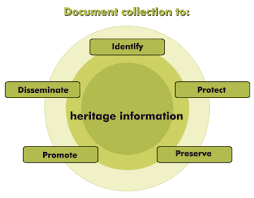
Heritage Documentation
Efforts are underway to document the history and stories of Sirsi's past and present residents. This includes oral histories, archival research, and the creation of a digital repository.
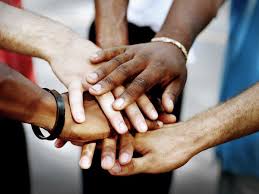
Community Support:
The society supports needy families through financial assistance, healthcare resources, and counseling services.
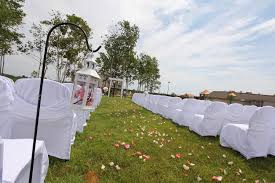
Social Gatherings:
Regular social gatherings and reunions are organized to strengthen community bonds and provide networking opportunities and mutual support.
Aims and Objects of Sadaat-e-Sirsi Society, Pakistan
The Sadaat-e-Sirsi Society, Pakistan, is committed to uniting the descendants of the historical town of Sirsi, now residing in Pakistan, and working towards their collective well-being and prosperity. Our organization is driven by a comprehensive set of aims and objectives designed to support and empower our community in various aspects of life. Below, we outline our core aims and objectives, which reflect our dedication to cultural preservation, educational advancement, community support, and infrastructural development.
1. Cultural Preservation and Heritage Promotion
Objective: To preserve and promote the rich cultural heritage of Sirsi, ensuring that future generations remain connected to their roots.
- Religious Events: Organize Majalis-e-Aza, Matamdaari, Jashan-e-Meelad and all kinds of Tableegh for expansion of Shi’ism and historic storytelling sessions celebrating Sirsi’s history and traditions.
- Heritage Documentation: Create a digital repository of oral histories, archival materials, and personal stories from the residents of Sirsi.
- Cultural Education: Develop educational programs that teach the younger generation about Sirsi’s history, customs, and traditions
2. Educational Advancement
Objective: To promote education and academic excellence within the Sadaat community.
- Scholarships: Provide scholarships and financial aid to deserving students for higher education.
- Tutoring Programs: Establish tutoring and mentoring programs to support students’ academic pursuits.
- Educational Workshops: Organize workshops and seminars on various subjects to enhance knowledge and skills.
3. Community Support and Welfare
Objective: To offer comprehensive support to community members, ensuring their well-being and improving their quality of life.
- Financial Assistance: Provide financial support to needy families, including assistance with necessities, healthcare, and housing.
- Healthcare Services: Organize health camps medical check-ups, and provide access to healthcare resources and information.
- Counseling and Guidance: Offer counseling services for individuals and families dealing with social, emotional, or financial issues.
4. Social and Networking Opportunities
Objective: To foster a strong sense of community through regular social gatherings and networking opportunities.
- Community Gatherings: Host regular reunions, picnics, and social events to strengthen bonds within the community.
- Networking Platforms: Create platforms for professional networking and business collaborations among community members.
- Support Groups: Form support groups for various community segments, including youth, women, and elderly members.
5. Infrastructural Development
Objective: To create a dedicated township in Karachi for the members of the Sadaat-e-Sirsi Society, providing a secure and supportive living environment.
- Township Project: Develop a comprehensive plan for a Sirsi township in Karachi, including residential areas, educational institutions, healthcare facilities, and recreational spaces.
- Affordable Housing: Ensure the provision of affordable housing options for community members within the township.
- Community Facilities: Establish community centers, parks, and other facilities that promote social interaction and community engagement.
6. Economic Empowerment
Objective: To support the economic growth and financial independence of community members.
- Skill Development: Offer training programs and workshops to enhance vocational skills and employment opportunities.
- Entrepreneurship Support: Provide resources and mentorship for aspiring entrepreneurs within the community.
- Job Placement Services: Facilitate job placement services and career counseling to help members find suitable employment
7. Advocacy and Representation
Objective: To advocate for the rights and interests of the Sadaat community at local, national, and international levels.
- Community Advocacy: Represent the community in governmental and non-governmental forums to address issues and concerns.
- Legal Support: Provide legal assistance and guidance on matters affecting the community.
- Awareness Campaigns: Conduct awareness campaigns on social, legal, and political issues relevant to the community.
8. Philanthropy and Charity
Objective: To promote a culture of giving and social responsibility within the Sadaat community.
- Charitable Initiatives: Organize charity drives and fundraising events to support various causes.
- Volunteer Programs: Encourage community members to participate in volunteer activities and contribute to the welfare of society.
- Disaster Relief: Provide assistance and support to community members affected by natural disasters or emergencies.
Nutshell
The Sadaat-e-Sirsi Society, Pakistan, is dedicated to building a cohesive, supportive, and thriving community that honors its heritage while embracing the future. By focusing on cultural preservation, educational advancement, community support, infrastructural development, and economic empowerment, we aim to create a brighter, more prosperous future for all members of our society. We invite all descendants of Sirsi to join us in this noble endeavor as we work together to realize our shared vision and goals.
Join Us
The Sadaat-e-Sirsi Society invites all descendants of Sirsi to join our efforts in preserving our heritage and fostering a strong, united community. Together, we can ensure that Sirsi’s legacy continues to thrive and inspire future generations.
Contact Us
For more information about our activities, membership, or upcoming events, please contact us at info@sadaatesirsisociety.pk or call Mohsin Ali Shah Naqvi Cell No. +92 302 66 44 789. We look forward to welcoming you to the Sadaat-e-Sirsi Society.
OFFICE:
M-52, Mezzanine Floor, Muneer Mobile Mall, Block 17, Near Jauhar Chowrangi Bridge, Gulistan-e-Jauhar, Karachi, Pakistan.
info@sadaatesirsisociety.pk
Syed Hussain Nazr Naqvi (President)
+92 331 3929460
Syed Asghar Abbas Naqvi (General Secretary)
+92 300 3786895
Syed Mohsin Ali Shah Naqvi (Additional General Secretary)
+92 331 6644789